Home/Penalty Recovery
Penalty recovery: Let's get your traffic back.
Whether it was a core update or a manual action, we work out what happened and get the site back. Senior operators, nearly two decades in-house.
Signs you have been hit.
Google rarely tells you. Usually the traffic just stops. If a few of these sound familiar, you are probably looking at more than a seasonal dip.
Organic traffic fell sharply on a single date.
Look for a cliff rather than a slow decline, then check the date against the list of confirmed Google updates.
Rankings dropped across the whole site, not one page.
When everything drops at once, something has changed in how Google trusts the site as a whole.
Search Console shows a manual action.
This is the one time Google spells it out. The notice names the violation and tells you whether it applies to the whole site or part of it.
Pages are indexed but no longer rank for their own brand or title.
If a page cannot rank for its own headline anymore, the problem is trust in the site, not the page.
Traffic fell after a link campaign, redesign, or migration.
Each of these can introduce something Google reacts to. Whatever changed right before the drop is where we look first.
Competitors with thinner content moved above you.
If pages with less depth are now ahead of you, you are not losing on content. Something is counting against you.
Senior operators, on your team.
Every engagement is led by a senior operator, with Matt and Derek involved throughout. Strategy and delivery from the same people, start to finish.
About Pike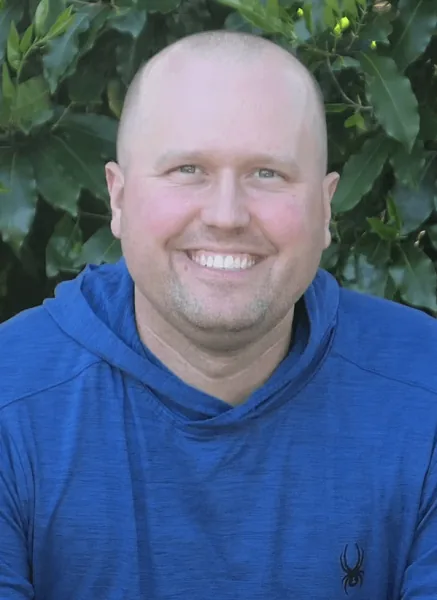
Matt Bowersex-Zillow and Zapier

Derek Sakamotoex-Figma, Zillow and Airtable
We have watched every update land from the inside.
We bring extensive in-house experience, accountable for over a billion annual visits and more than a hundred million URLs. When you run search at that size, every core update and spam update shows up in your dashboards, and you learn quickly which changes Google is rewarding and which it is quietly pulling back.
That experience is what we bring to a recovery. We work out when the drop happened, which templates it hit, and what signal changed, and then we fix the thing that caused it. It is product work, and we run it with the same requirements, roadmap, and follow-through.
Algorithmic or manual? It changes everything.
The first job is working out which one you are dealing with, because the fix for one does nothing for the other. Plenty of teams spend months on a reconsideration request for a drop that no reviewer ever caused.
Algorithmic
Core, helpful content, and spam updates.
How you find out
You will not get a notice. Traffic drops on or around a confirmed update date, and Search Console shows nothing.
What causes it
Google has reassessed the site as a whole. Common reasons include thin or templated pages, weak expertise on the topic, poor page experience, or link patterns it has learned to distrust.
How it is fixed
Improve or remove the pages pulling the site down, merge duplicates, invest in the content that already performs, and roll the changes out across templates rather than page by page.
How recovery happens
Slowly. Google needs to recrawl the site and usually reassess it at the next relevant update, so expect months rather than weeks.
Manual action
Unnatural links, pure spam, thin content, cloaking, hacked pages.
How you find out
A message in Search Console tells you which guideline was violated and whether it applies to the whole site or specific pages.
What causes it
A human reviewer found a specific violation, such as bought or exchanged links, spun or scraped content, cloaked pages, or spam injected by a hack.
How it is fixed
Remove or disavow every link or page that caused it, document what you did, and file a reconsideration request that a reviewer can approve without going back and forth.
How recovery happens
Once the request is approved, which usually takes a few weeks. Rankings then come back as Google recrawls the affected pages.
How we run a recovery.
- 01
Diagnose before touching anything.
Search Console, analytics, crawl data, and your link profile, read together. Nothing gets edited until we know what we are fixing.
You getA written diagnosis within the first week.
- 02
Fix the cause, not the symptom.
The plan targets the template, process, or vendor that produced the problem. Deleting the pages that dropped only treats the symptom.
You getA recovery plan with the cuts priced and ready for sign-off.
- 03
Make the cuts in one go.
We write the specs and stay with engineering and content until the changes are live. For a manual action, every fix is documented for the reviewer.
You getShipped changes, and a filed reconsideration request if needed.
- 04
Stay until the traffic is back.
We track the recrawl, the next update, and rankings against the pre-drop baseline until the numbers say it worked.
You getA recovery report and a plan so it does not happen again.
Let's get your traffic back.
Tell us when it dropped. We will come back with what we think caused it and where we would start.